Distributed green ammonia (DGA) fertilizer, produced on-farm or within agricultural regions, offers several benefits that not only support sustainable agriculture but also provide local economic benefits and enhanced supply security. A new report prepared by the Great Plains Institute for the Hydrogen Economy Collaborative, Distributed Green Ammonia: Demonstrating Modular Systems for Sustainable Agriculture, highlights the regional economic benefits that DGA production can bring to agricultural regions.
By showcasing demonstration projects in Iowa and Manitoba, the report’s authors discuss different DGA system scales, ownership models, and the benefits the projects are providing to farmers and their communities. While conventional ammonia is produced by centralized ammonia facilities using fossil energy, DGA systems use renewable energy and are located closer to rural, agricultural regions.
Here are three takeaways from the report about the opportunities offered by DGA:
- Ammonia fertilizer is subject to geopolitical vulnerabilities and environmental factors that impact the cost and availability of supply. DGA offers farmers an opportunity to stabilize a major farm input cost through long-term offtake agreements and local or regional production.
- Ammonia fertilizer is one of the most carbon-intensive inputs that farmers purchase. DGA offers a significant opportunity to reduce agricultural emissions.
- Producing DGA locally within a region can unlock new economic opportunities for rural areas and reinvest money in associated infrastructure and industries.
Impacts of the existing ammonia market
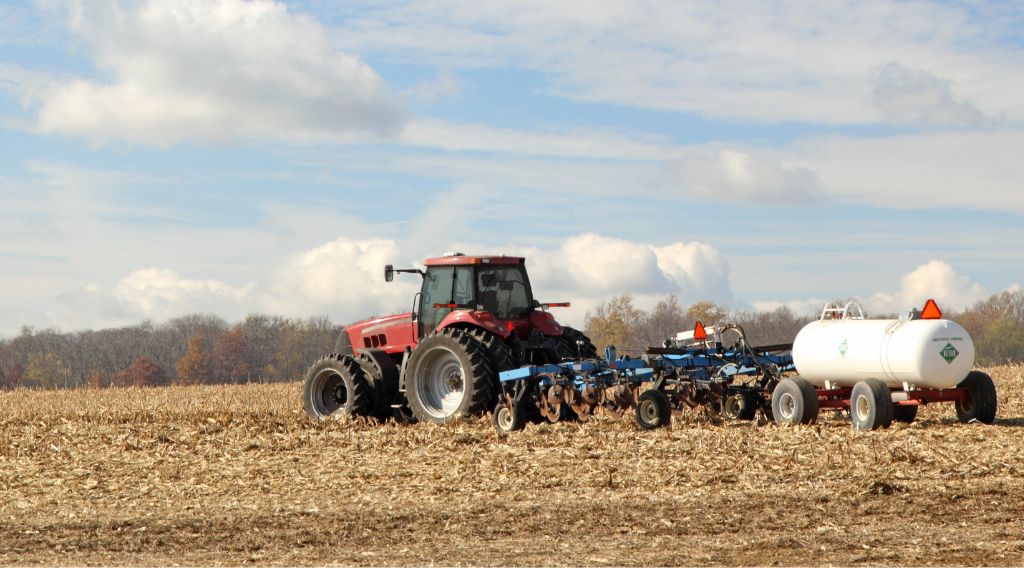
Global agricultural systems rely on ammonia for nitrogen-based fertilizers, but the supply chains that deliver it are vulnerable to disruptions, with a high concentration in natural gas-rich regions such as the US Gulf Coast, China, and Russia. This centralization means that ammonia travels hundreds or thousands of miles to reach farms, compounding the risk of supply disruptions caused by weather or transportation issues and increasing costs related to fuel and logistics. Additionally, global market dynamics, geopolitical relations, and international events further impact ammonia production, trade, cost, and availability.
Local economic benefits of distributed green ammonia
Distributed green ammonia projects can not only improve supply availability but also deliver local economic benefits to communities by keeping fertilizer spending within the region. For example, the report notes that nearly $500 million to $1 billion leaves Minnesota annually to import 900,000 tons of nitrogen-based fertilizer from the Gulf Coast. Investing in local DGA production and renewable energy resources would help keep this money within the state.
Such local investments are opportunities to create positive ripple effects that could help strengthen rural communities in several ways:
- benefit farmers and farmer-owned cooperatives
- increase local energy independence by reducing reliance on imported fossil fuels
- support the local development of associated infrastructure
- attract additional businesses and industries
DGA projects are capital-intensive and, in the short term, more expensive than conventional ammonia projects. Since DGA projects are at an early stage of technology development, they will need the support of federal and state policies and incentives to encourage ammonia fertilizer produced with renewable energy. For example, in Minnesota, these incentives could also be geared toward harnessing curtailed wind energy, turning an otherwise wasted resource into economic opportunities by powering local ammonia production and returning wind energy production taxes to the local economy.
Rural agricultural regions such as the Upper Midwest and Manitoba, which are far from centralized ammonia production centers, are ideally suited to DGA production due to the high agricultural demand for fertilizer and the significant costs associated with importing fertilizer from distant sources. In addition, these regions have abundant, affordable renewable electricity resources.
Agricultural cooperatives play a critical role in scaling DGA production by pooling resources and sharing infrastructure costs, enabling farmers to collectively benefit from economies of scale.
Demonstration projects highlight distributed green ammonia technologies
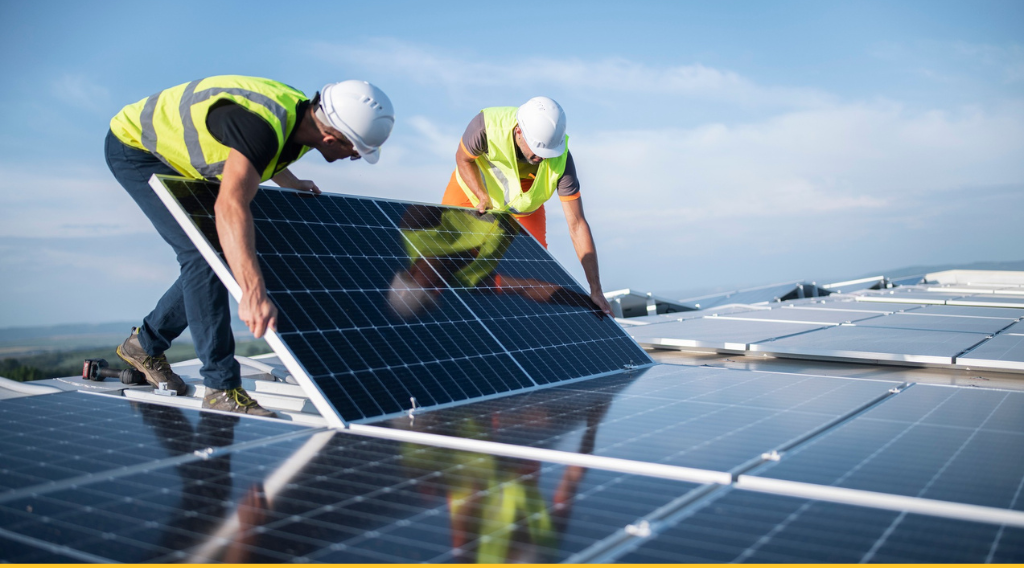
The report showcases two groundbreaking North American demonstration projects in Iowa and Manitoba. The Boone, Iowa, project, a collaboration between TalusAg and Landus (an agricultural cooperative), utilizes the TalusOne modular system, producing up to one metric ton of green ammonia per day at Landus’ facility. A 1 megawatt on-site solar array provides renewable electricity to power the ammonia production during the day. TalusAg offers a wholesale fixed price range of $400-$450 per metric ton of ammonia to Landus (as shared with the report authors), compared to an estimated commodity cost of $620-$877 per metric ton; these savings are passed on to cooperative members and help improve farm economics.
Furthermore, long-term offtake agreements, similar to power purchase agreements, are crucial for securing project finance; these long-term offtake agreements provide price stability and predictability, making DGA projects more attractive to lenders and investors, ultimately driving down the cost of capital and the price of green ammonia.
In Manitoba, FuelPositive, a clean technology company based in Waterloo, is commercializing an on-farm green ammonia production facility at the Hiebert Family Farm in Sperling. The modular FP300 system produces an average of 100 metric tons of anhydrous green ammonia annually (300kg per day). At this scale, the Hiebert’s system can deliver ammonia fertilizer for approximately Can$560 per ton, demonstrating the potential for cost-effective, on-site production.
Both companies are introducing larger systems to meet growing demand. TalusAg is deploying its TalusTen system in both Eagle Grove and Manning, Iowa, capable of producing 20 metric tons per day. FuelPositive is developing the FPP1500 to serve larger farms with an annual output of 500 metric tons per year.
Conclusion
DGA provides an opportunity to turn an imported commodity tied to volatile markets into a locally made, low-carbon farm input. The initial Iowa and Manitoba demonstration projects suggest real benefits delivered to farmers and farmer cooperatives through price stability, lower emissions, and dollars kept in rural agricultural communities.
Through policy support, stable state and federal incentives, long-term offtake agreements, and cooperative leadership and investment, the Upper Midwest can bring this new technology to scale and retain its value in the region.
This report is a product of the Hydrogen Economy Collaborative (HEC), a project of the Great Plains Institute. The HEC convenes stakeholders to support the development of a regional clean hydrogen economy through peer learning, information sharing, and policy recommendations.
Download the full report to dive deeper into the case for distributed green ammonia for rural agricultural regions.