Siting Battery Energy Storage Systems
Resources for Local Governments
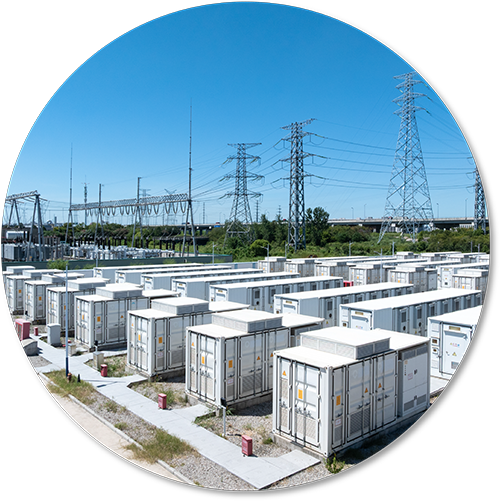
Communities across the United States face rising electricity demand and prolonged outages from extreme weather. Electric utilities are under increasing pressure to plan for a grid that remains reliable, affordable, and resilient. Battery energy storage systems (BESS) offer a variety of benefits to make the electric grid more resilient, mitigate peak electricity demand, and enable increased use of affordable solar and wind energy production. But BESS are a new type of land use for most communities, and concerns about safety, emergency response, environmental impacts, and land use conflicts are common.
When properly located, designed, and operated, BESS can safely and reliably store electricity when supply is available or at a lower cost. When demand is high or power is more costly, they can discharge power to the grid.
BESS also support grid reliability, integrate renewable energy generation, and provide backup power or other grid services for communities.
Understanding planning and land use questions has become a priority for communities as BESS deployment increases. GPI can support communities in ensuring informed decision-making. We have developed this resource page to identify best practices and provide access to information resources from expert organizations and research institutions.
The resources can help communities navigate BESS siting and permitting in several ways:
- Increase understanding of the varied roles and use cases of BESS
- Review ordinance and permitting considerations
- Identify questions to ask developers and technical experts
- Decide how battery storage fits within their local priorities