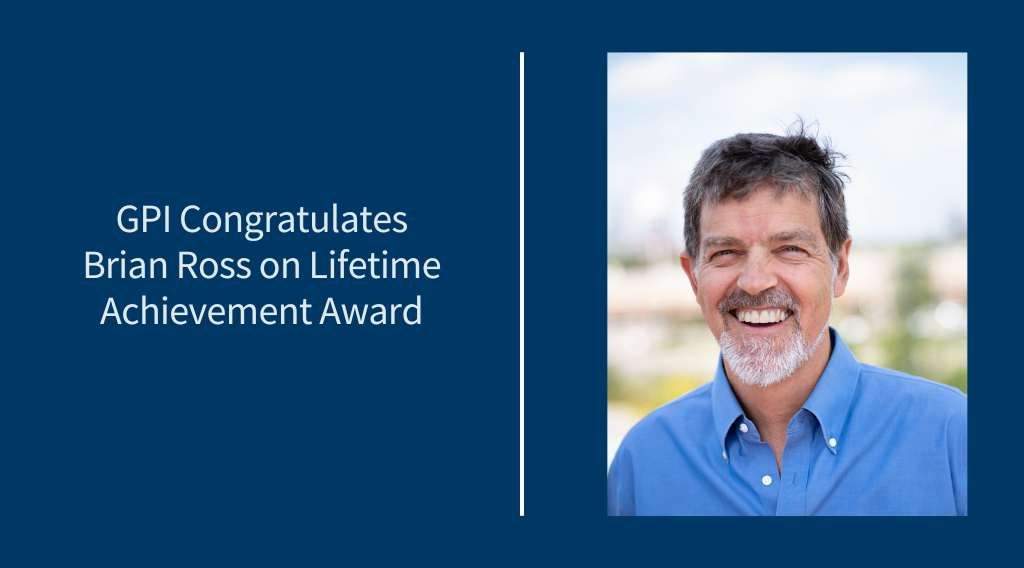
 At this year’s annual meeting of the American Planning Association Minnesota Chapter, Brian Ross, vice president of Renewable Energy and interim vice president of Communities, received the chapter’s Lifetime Achievement Award.
The chapter shared these remarks in presenting Brian with the award:
“During more than 40 years in the profession, Brian has helped transform how planners think about climate, clean energy, sustainable development, and the role that local governments can play in addressing these issues. His work on model ordinances, planning tools, programs, advocacy, and mentorship has influenced planners and communities throughout Minnesota and beyond.”
In accepting the award, Brian expressed “enormous gratitude” for the many people who came before him, his staff, and the planning professionals in the room and the field who helped and inspired him along the way. “The planning profession is not, after all, about individual action, but working with communities to make our world a better place. Success is ultimately about the community, and I’m grateful for the staff, stakeholders, and local decision makers whom I had the privilege of working with over my career.”
Applauding Brian for this career achievement, GPI President and CEO Lotte Schlegel stated: “At a time when people across the country are navigating complex decisions about their energy future, Brian’s award highlights the role of planning in bringing about a future that delivers real benefits to communities. I want to congratulate Brian on his contributions to communities, the planning profession, and GPI through his leadership and mentorship of staff who will carry this work forward.”
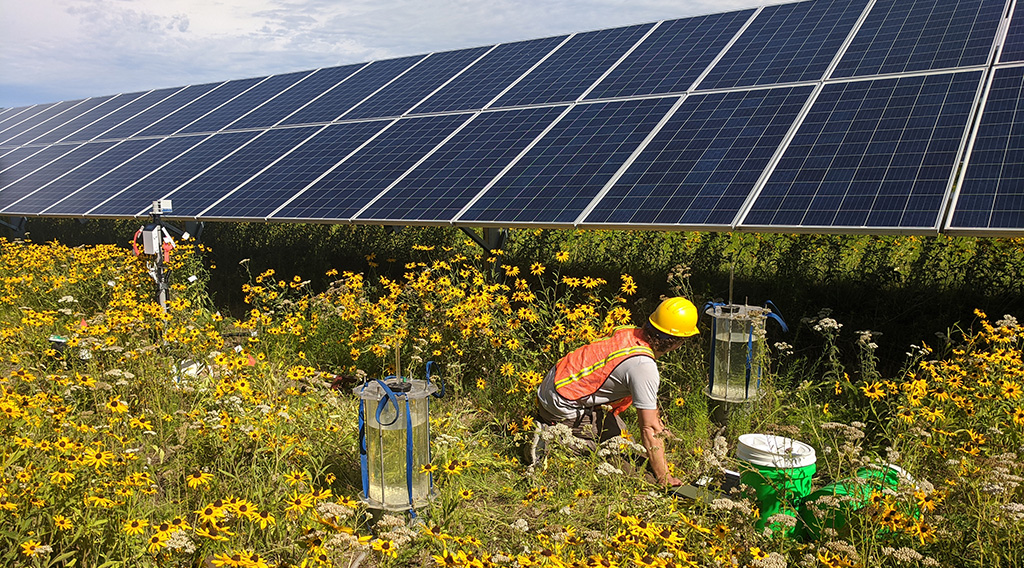
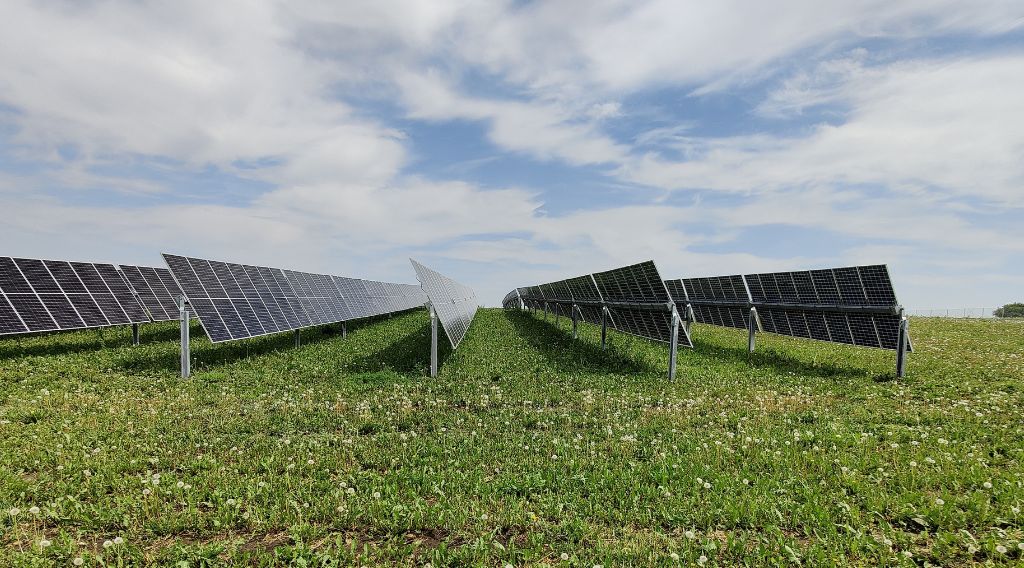
Brian joined GPI in 2015 to lead the Renewable Energy program, focused on renewable energy development that delivers co-benefits for local communities and economies. This work engages stakeholders from the local to national levels through collaboration, technical assistance, policy development, and more. Most recently, that includes best practices for solar projects to achieve water quality benefits, developing local planning tools for technologies such as battery energy storage systems, and identifying beneficial ways to integrate solar and agriculture.
Reflecting on the award, Brian shared: “I’m grateful to be part of an organization and field that understands the importance of meeting people where they are and equipping them with the tools needed to achieve an equitable net-zero carbon economy.”
Please join us in congratulating Brian on this award!
Media contact:
Drew Henry