Communities in Minnesota and across the nation are learning how to engage effectively with clean energy development as more projects are proposed. Community benefits agreements (CBAs) are a tool for communities, local governments, and developers to shape how clean energy projects and infrastructure can deliver a multitude of benefits to host communities. Such agreements can help ensure that project development aligns with local goals and that projects deliver equitable benefits to the communities impacted by them.
GPI is working with the Clean Energy Resources Teams (GPI is a CERTs partner) and the Southwest Regional Development Commission to explore CBAs for clean energy in Minnesota. We’re specifically looking at the possibility of incorporating CBAs into the state public utility commission’s site permitting process for utility-scale clean energy projects.
To help communities understand the potential uses of CBAs, we’ve developed resources with Kevin Bryan of Equnival Partners LLC that they can use to get started:
• Community Benefits Agreements in Clean Energy Permitting: The Basics. This primer provides a foundation for understanding CBAs.
• Webinar: “Community Benefits Agreements (CBAs) for Renewable Energy Projects: A Minnesota Focus.“
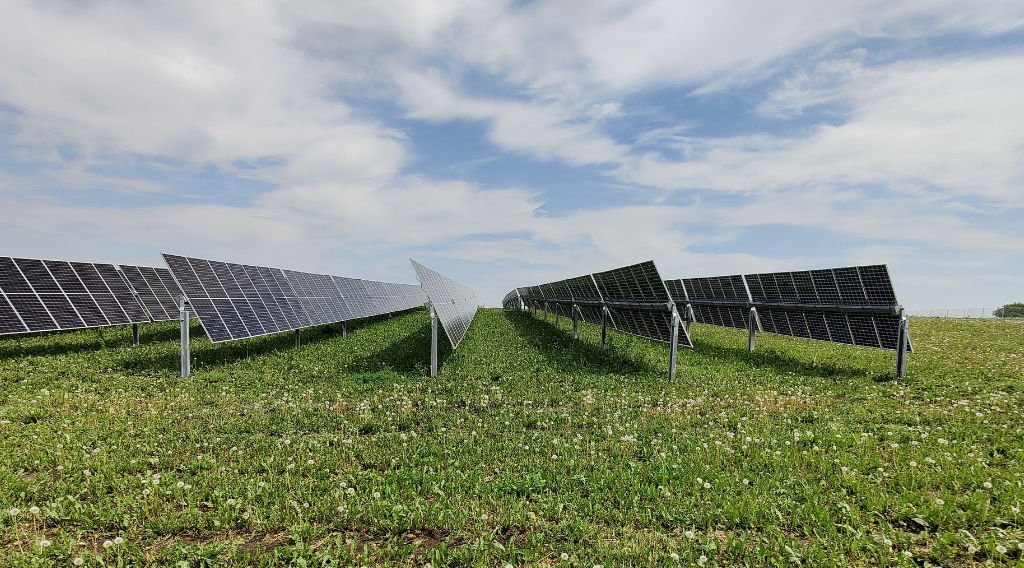
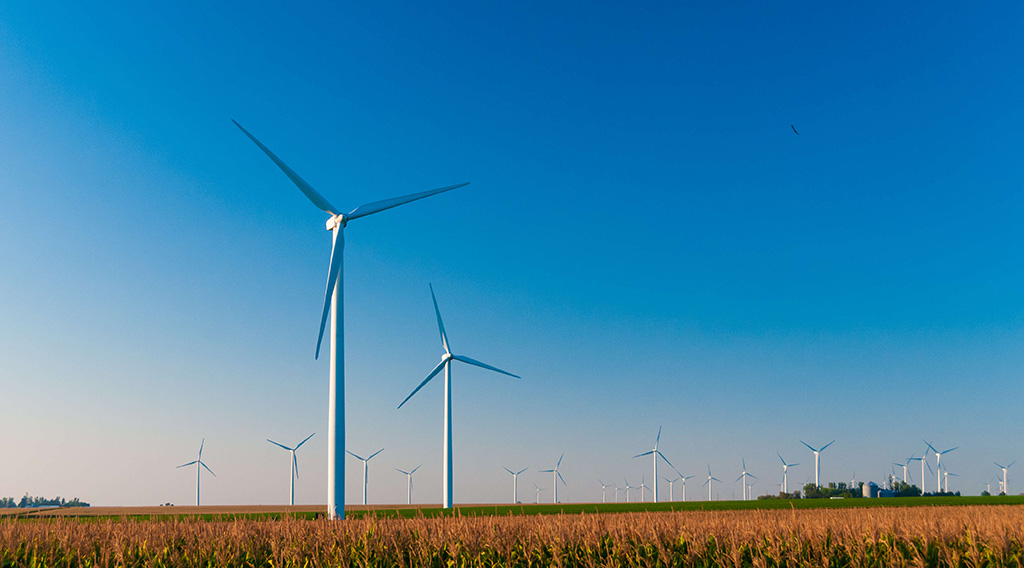
Utility-scale clean energy projects can be significant for communities, delivering economic benefits while also impacting the existing landscape. CBAs can provide an effective mechanism for project developers, community members, and other stakeholders to work together and shape projects. CBAs are one form of community benefit mechanism, which can take several forms. From prescriptive (e.g., a certain dollar amount per megawatt hour of generation)) to procedural (e.g., a decision-making process), CBAs can be used in project development and permitting.
This post shares resources for learning about and developing CBAs for clean energy and provides opportunities for Minnesota communities to explore their potential use in utility-scale clean energy permitting.
Resources for communities to explore community benefits agreements for clean energy
While CBAs may not be familiar to some communities, there are many examples from around the country and the world for local governments to learn from, which we share in the primer.
As we discuss in the primer, “Several states recently adopted community benefits mechanisms into their regulatory permitting processes, not just for clean energy development but also for commercial, industrial, and other social infrastructure.” The primer describes several structures and features of CBAs, such as direct payments, local ownership of projects, and programs to share revenue or savings from projects.
The primer also includes resources for communities to further explore CBAs, access templates, find examples, and more. In the recorded webinar, we provide an introduction to CBAs, following the format of the primer.
How Minnesota communities can explore CBAs as part of permitting utility-scale clean energy projects
We’re excited to share these resources for communities, local governments, and developers, and look forward to learning together about how CBAs could be used in the utility-scale clean energy permitting process.
While this project focuses on CBAs in the permitting process, these resources can help with considering CBAs for local projects outside a public utility siting process. The primer provides helpful examples and links to other resources to get started.
As we continue working on this project, we’ll invite Minnesota communities to participate in discussions on how clean energy CBAs could be structured to bring financial and non-financial benefits to communities. If your community or local government is interested in learning more and participating, please send us an email: [email protected].