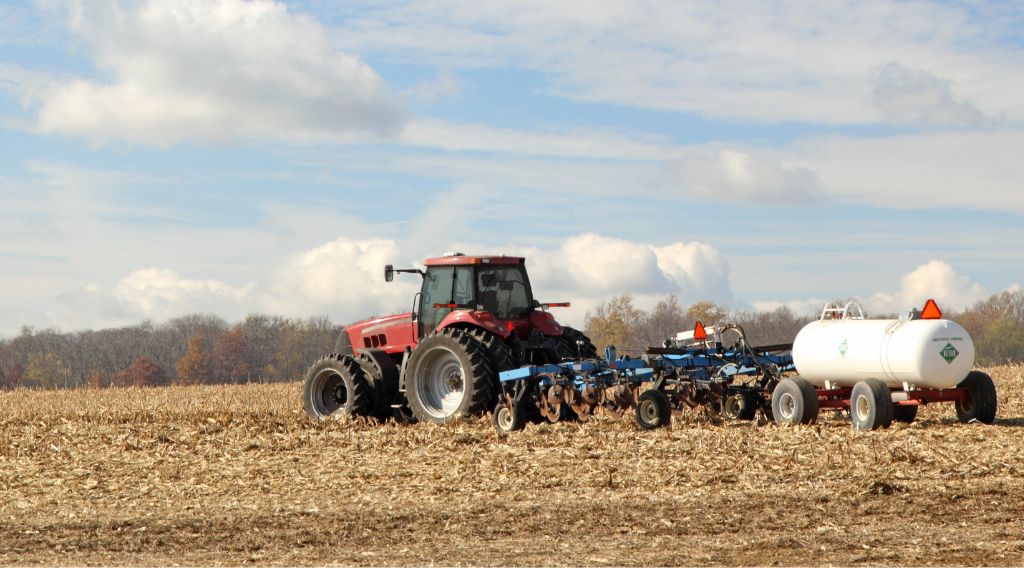
Conversations about utility-scale solar on agricultural lands typically start with the question: Should this land produce food or energy?
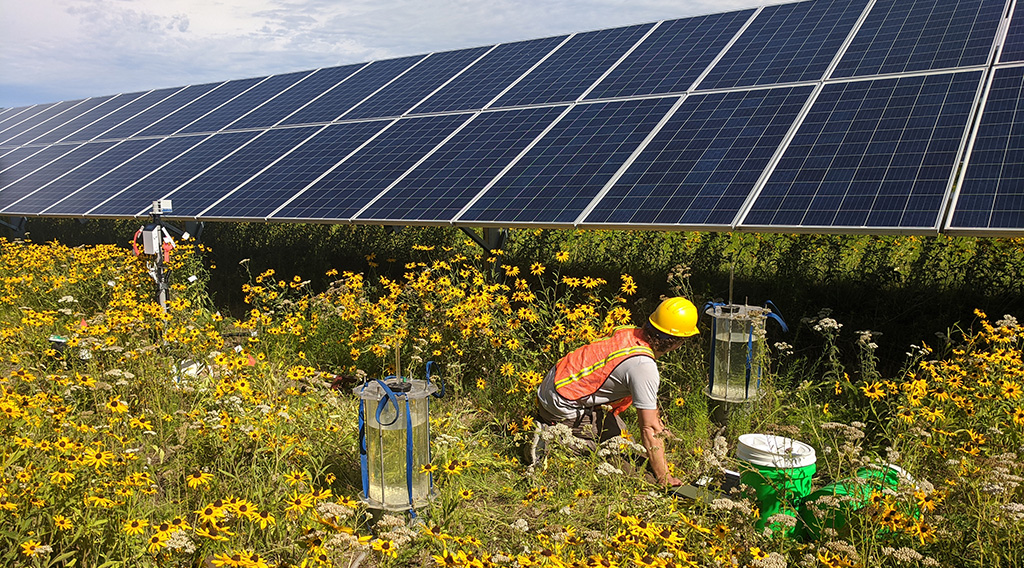
Rather than pitting agriculture and solar energy against each other, agrivoltaics combine them, providing opportunities to grow crops, graze livestock, establish pollinator habitat, and generate energy. Agrivoltaics, also called dual-use solar, refers to a solar project designed and sited to accommodate agricultural production beneath, between, and/or around solar panels.
As communities strive to strengthen local economies, preserve prime farmland and rural character, and meet growing energy demands, agrivoltaics is an emerging practical solution.
Agrivoltaic systems can be designed to meet local agricultural priorities, land use conditions, and community goals. Projects can be designed to support animal agriculture, provide access to land for emerging farmers, or serve as water-quality buffers for upstream conventional agricultural lands. This flexibility is why agrivoltaics continues to gain attention, as it can address several community priorities at once.
Intentional system design makes all the difference
When designed effectively, agrivoltaics allows farmers to support renewable energy generation for the energy grid while also benefiting their farm operations by offsetting energy costs, earning revenue from the energy produced or from leased land, and maintaining agricultural production. The project design depends on the intended agricultural use, with four key variables tailored to the specific crop or livestock application:
- Panel height
- Row spacing
- Supporting infrastructure
- Water access
Agrivoltaic system design considerations should be tailored to the site’s agricultural goals. For example, for crop production on solar sites, panel height is one of the more important factors to consider in agrivoltaics design. Greater panel heights and wider row spacing create more flexibility for incorporating crops and equipment, while grazing integrates more readily into a variety of panel configurations.
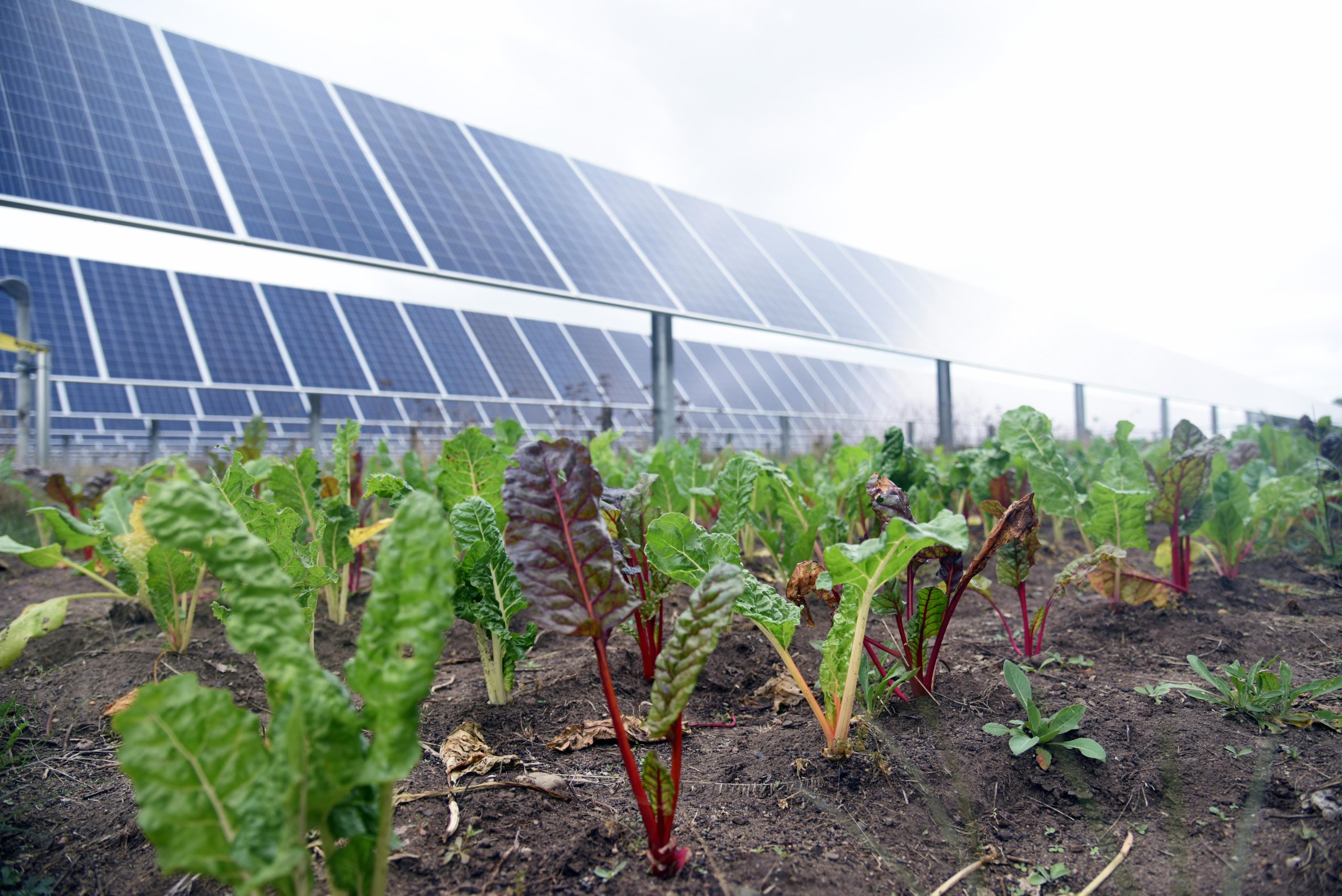
The agricultural use case should also drive panel configuration and the mounting system selection. A single-axis system with elevated panels is best suited to row crops such as wheat and potatoes, providing space under the panels for operating farm equipment. Vertical bifacial systems, which direct light to both sides of the panel, are better suited to crops like corn. Row spacing is a factor in supporting shade-tolerant crops like berries, herbs, and leafy greens. Shade-tolerant crops can thrive under elevated panels even with narrower spacing that filters sunlight.
Agrivoltaics guidance for local governments
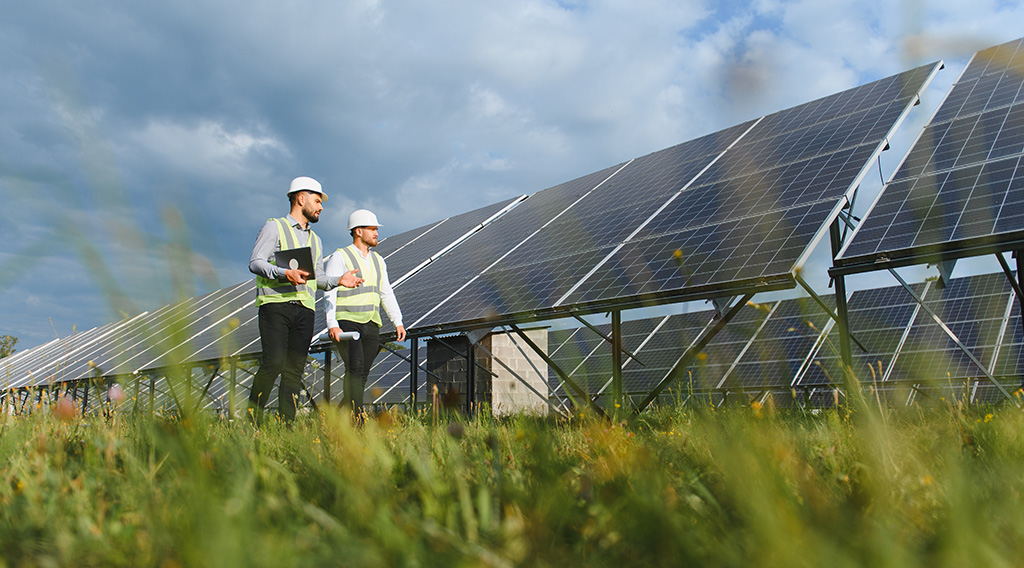
When local leaders are empowered to advocate for project designs that support their community’s priorities, agrivoltaics offers a compatible approach to siting solar development within agricultural and rural zoning designations, even in the face of skepticism or concern about changes in land use. Supporting pathways for agrivoltaic development also creates opportunities for workforce development and economic investment while preserving key aspects of the rural character of agricultural communities.
GPI recently released two agrivoltaics guides to help local governments navigate solar development on agricultural land. The briefs were initially made specifically for Michigan, but the guidance is applicable to any state.
Part 1 describes the fundamentals: what agrivoltaics is, how it works, and the economic, environmental, and local benefits that can help reduce land use conflicts. It also highlights the flexible nature of agrivoltaic design, which accommodates a variety of agricultural uses.
Part 2 covers project planning, agrivoltaic design options, cost implications, and the trade-offs local governments and farmers could weigh. It also addresses business and financial models.
Together, the briefs provide a strong foundation for local governments and community stakeholders who wish to better understand how agrivoltaics might fit within their land use policies and community priorities.
GPI develops resources to help communities, local governments, and state officials incorporate agriculture into community or utility-scale solar development. We also share best practices for addressing dual-use solar in local plans, ordinances, and permitting processes. Contact us if you are interested in these resources for your community.
Here are two additional resources for developing and planning for agrivoltaic projects:
- Case Study: Agrivoltaics and Local Food Production in Big Lake, Minnesota.
- Model Solar Ordinances for Illinois, Indiana, Iowa, Minnesota, and Wisconsin: Communities can use these model ordinances to help them prepare for utility-scale solar development.