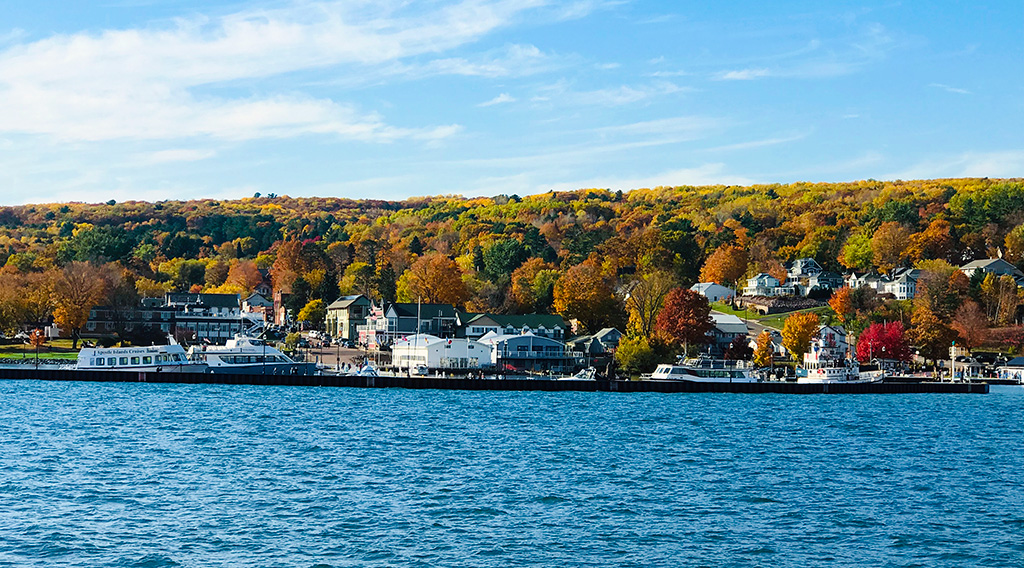
Along the south shore of Lake Superior lies Bayfield County, which is home to Wisconsin’s northernmost towns. Over the last several years, the county has been working to improve its energy reliability and resilience. GPI recently had the opportunity to help the county develop informational resources on its efforts and provide technical assistance on tax credits.
The county is in a region that faces many challenges common to coastal towns, including unpredictable weather and maintaining reliable energy infrastructure for both a small year-round population and influxes of seasonal residents and visitors.
Bayfield County approached these challenges with innovative solutions to use more reliable, affordable energy that can benefit communities well into the future. The county is implementing microgrids, battery energy storage, and electric vehicle charging infrastructure to lower costs and enhance local energy reliability and resilience, including during power outages.
Bayfield County looks to local energy solutions for increased reliability and lower utility bills
Bayfield County, which has 86 miles of Lake Superior shoreline, is shaped by its relationship with the lake and the unpredictable—and sometimes volatile—weather. As the climate changes, the area is seeing more severe storms that stress infrastructure. The area also experiences significant population fluctuations, with a resident population of about 16,000 and thousands of seasonal visitors and part-time residents. Having reliable, resilient energy infrastructure is critical for the region’s residents, visitors, and economy, including the tourism sector, which generated $93.3 million in 2024.
In a 2023 interview with Wisconsin Public Radio, Bayfield County Administrator Mark Abeles-Allison discussed the role of microgrids in providing resilient backup energy to keep essential services running, noting that the county is seeing more extreme weather requiring backup generation.
That year, the county partnered with Xcel Energy on its first microgrid at the county jail and courthouse, a project developed in response to power outages caused by large-scale flooding. The project combines “solar, generator and battery backup, and smart software to manage power.” In a recent assessment of the project’s performance, the county noted thousands of dollars saved, stating that the “ultimate goal is holding down annual utility bills.”
When we recently checked in with the county about the local reaction to investing in resilience, we learned that the community has been supportive, especially as people recognize the “importance of investing in reliable, locally generated energy systems,” shared county energy specialist Ryan VanLanduyt. Through the county’s project implementation, VanLanduyt says it is “providing local demonstration projects” and “providing residents, businesses, and neighboring communities firsthand exposure to the benefits and practical applications of microgrid technology.”
Federal and state funding fuels investment in Bayfield County energy infrastructure
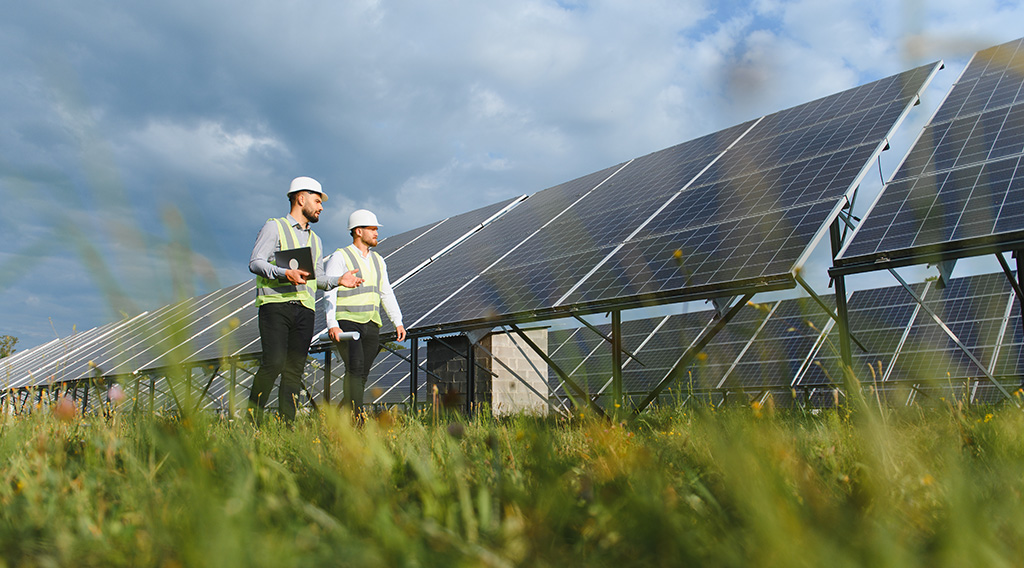
In recent years, the county has ramped up efforts for community microgrids, supported by federal and state funding for energy resilience. In 2024, the US Department of Energy announced over $9 million in federal cost share for projects in 17 communities across Bayfield County and the tribal lands of the Red Cliff Band of Lake Superior Chippewa. The microgrid projects include solar technologies, battery energy storage systems, and “smart controls enabling islanding.”
“Communities will have an added benefit of solar fueling of electric vehicle charging stations,” said VanLanduyt, adding, “These microgrids are being installed at a wide range of critical community facilities, including town halls, fire halls, highway garages, healthcare facilities, and other essential public buildings, helping ensure that vital services remain operational during extended power outages.”
Microgrids can operate independently of the grid, including during grid power outages, through a process known as “islanding.” This ensures that homes, businesses, and critical infrastructure, such as hospitals, that are served by microgrids can maintain power. Microgrids may generate excess electricity, which can be sold back to the grid for a profit. In communities with significant tourism, like Bayfield County, microgrids provide flexibility and meet high seasonal electricity demand. This prevents overbuilding of expensive transmission and distribution infrastructure that may not be needed year-round.
GPI provides assistance and resources for Bayfield County
As Bayfield County communities see new energy infrastructure under construction, it’s important for local officials and residents to understand the purpose and benefits of the projects. GPI worked with the county to develop information resources that communities can tailor to answer questions and support public outreach. Since remote communities have limited staff, it’s essential to reduce administrative burden and create resources that make it easy to explain the benefits and rationale for these new technologies.
GPI also provided one-on-one assistance to county staff seeking to apply for tax credits that would provide additional funding for microgrid projects. As a governmental entity, the county and cities are eligible to receive tax credits through direct pay provisions. For example, the county’s 2026 budget states that the microgrid project at the county jail and courthouse will be eligible for about $180,000 through direct pay reimbursement, covering about a third of the 2025 project costs.
Bayfield County demonstrates the value of locally driven energy solutions
Bayfield County’s efforts to proactively invest in a resilient future with reliable, affordable energy are a valuable model for other coastal communities, including those in remote areas. Living along a Great Lake can bring unpredictable weather, but the energy system doesn’t have to be. By investing in microgrids, battery energy storage, and solar, the community is saving money, reducing emissions, and building reliable energy infrastructure that meets local needs.
GPI looks forward to sharing more stories of our work with remote and coastal communities. Contact us to learn about how your community can access technical assistance on distributed energy resources and energy resilience.
Sign up for our monthly newsletter to get up-to-date stories and insights from GPI.