Statement from the Great Plains Institute Regarding the Closure of HOURCAR

October 9, 2026 in News & Press, Transportation & Fuels Author: Drew Henry

carshare electric vehicle branded with HOURCAR/Evie logo

GPI released the following statement by Brendan Jordan, vice president of transportation and fuels, regarding the shutdown of HOURCAR announced on October 8, 2026:

“GPI extends its sincere appreciation to the team at HOURCAR, its leadership, and its community partners for years of dedicated service to the Twin Cities region. The decision to sunset operations marks a difficult and sad moment for our community. Continue reading »

Agrivoltaics: How Solar and Agriculture Can Coexist and Benefit Communities

September 25, 2026 in Renewable Energy Author: Dreek Morgan

Conversations about utility-scale solar on agricultural lands typically start with the question: Should this land produce food or energy?

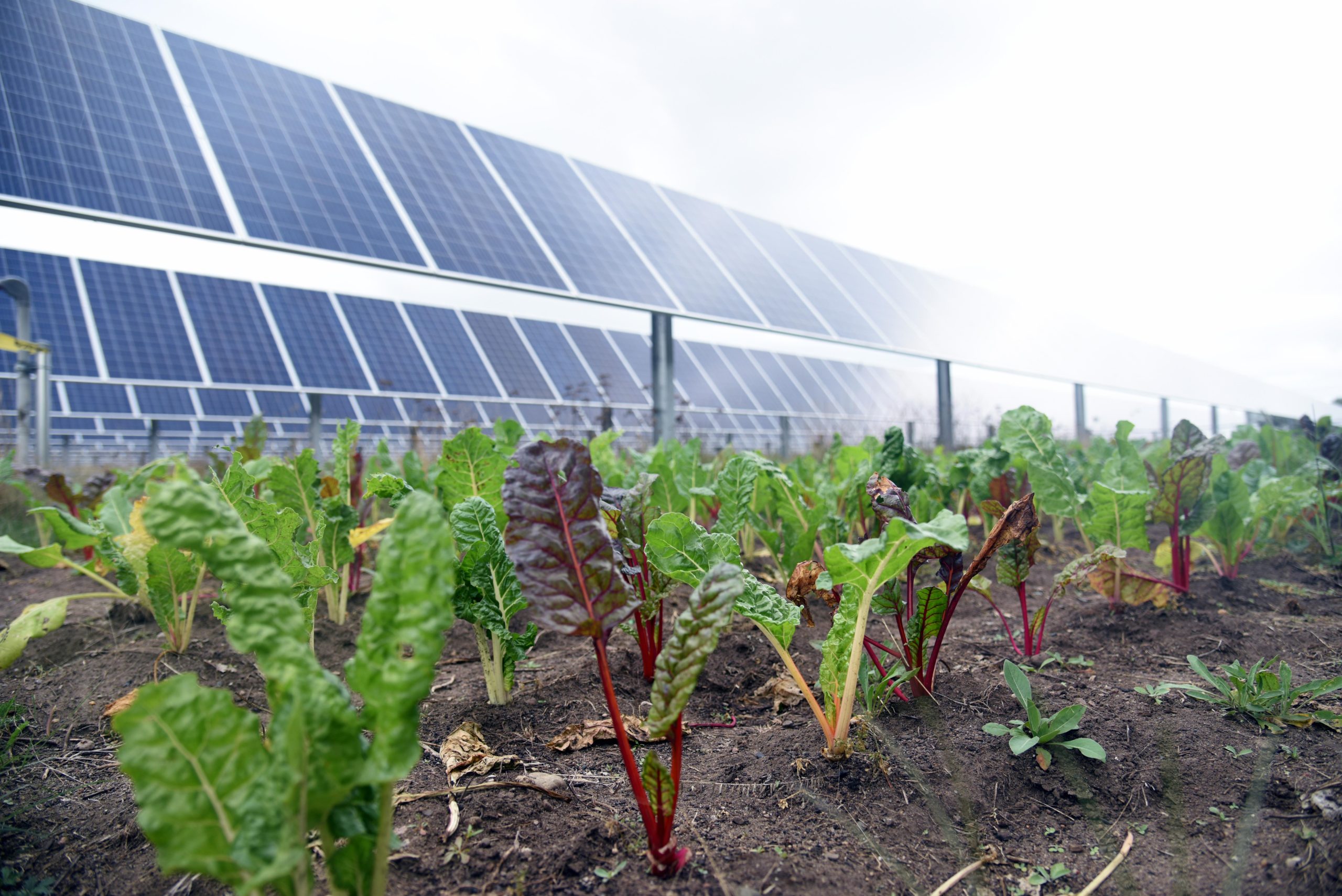
Rather than pitting agriculture and solar energy against each other, agrivoltaics combine them, providing opportunities to grow crops, graze livestock, establish pollinator habitat, and generate energy. Agrivoltaics, also called dual-use solar, refers to a solar project designed and sited to accommodate agricultural production beneath, between, and/or around solar panels.

As communities strive to strengthen local economies, preserve prime farmland and rural character, and meet growing energy demands, agrivoltaics is an emerging practical solution. Continue reading »

Otter Tail Power’s Thermal Storage Tariff: Delivering Clean, Cost-Effective Industrial Heat

August 19, 2026 in Energy Systems Author: Hallie Turner

A new electricity rate in the Midwest is opening a path to save money for industry, lower costs for other customers on the grid, and make better use of existing clean energy. The new rate, or tariff, enables industrial customers to electrify by using thermal storage to capture only the cleanest, lowest-cost hours of electricity via wholesale market pricing. When combined with time-varying and location-based electricity rates, industrial facilities can secure cost-effective clean energy when supply is abundant and use that energy around the clock to produce steam for industrial processes.

Continue reading »

Addressing the Spark Gap: What It Is and How It Affects Industrial Electrification

June 25, 2026 in Carbon Management, Energy Systems Author: Nate Morris

Industrial processes currently account for roughly one-quarter of carbon emissions in the United States, with many experts recognizing electrification as an essential step for achieving meaningful decarbonization. Electrifying heating processes at industrial and manufacturing sites, particularly low- and medium‑temperature applications, can directly reduce these industrial emissions. Yet deployment remains stubbornly slow across much of the United States, largely due to a lack of economic viability. Continue reading »

Minnesota Advances State Climate Planning

May 15, 2026 in Energy Systems Authors: Amy Ward, Tricia Treece

Headwaters of the Mississippi River at Lake Itasca in Minnesota. Bright sunny day, with calm waters and green forest in the background.

Statewide climate action plans are becoming a core part of planning, policy, and program implementation for many states across the US. As more states develop and periodically update these plans, climate leadership is evolving to include not only ambition for greenhouse gas reductions but also the ability to translate those ambitions into coordinated, durable action. This shift requires more than technical analysis or policy design. It requires processes that help diverse stakeholders navigate challenges, link evidence to decision-making, and align on practical paths forward. Continue reading »

Texas Carbon Management Roadmap: Policy Pathways Built with Texas Voices

January 7, 2026 in Carbon Management, News & Press Author: Emma Thomley

Panoramic photo of natural landscape in Texas at dawn.

Texas is entering a pivotal moment for carbon management. Growing power demand and the first wave of carbon capture and storage projects are converging in a state with world-class geology, deep energy expertise, and newly secured Class VI primacy for carbon storage permitting.

To help Texas navigate this moment with clarity and coordination, GPI has released the Texas Carbon Management Roadmap, developed with support from the Cynthia & George Mitchell Foundation and shaped by the input of nearly 100 Texas-based stakeholders from industry, government, labor, academia, nonprofits, and community organizations.

Continue reading »