Planning for Autonomous Vehicles in a Changing Transportation Landscape

November 13, 2026 in Communities, Transportation & Fuels Author: Jem Thompson

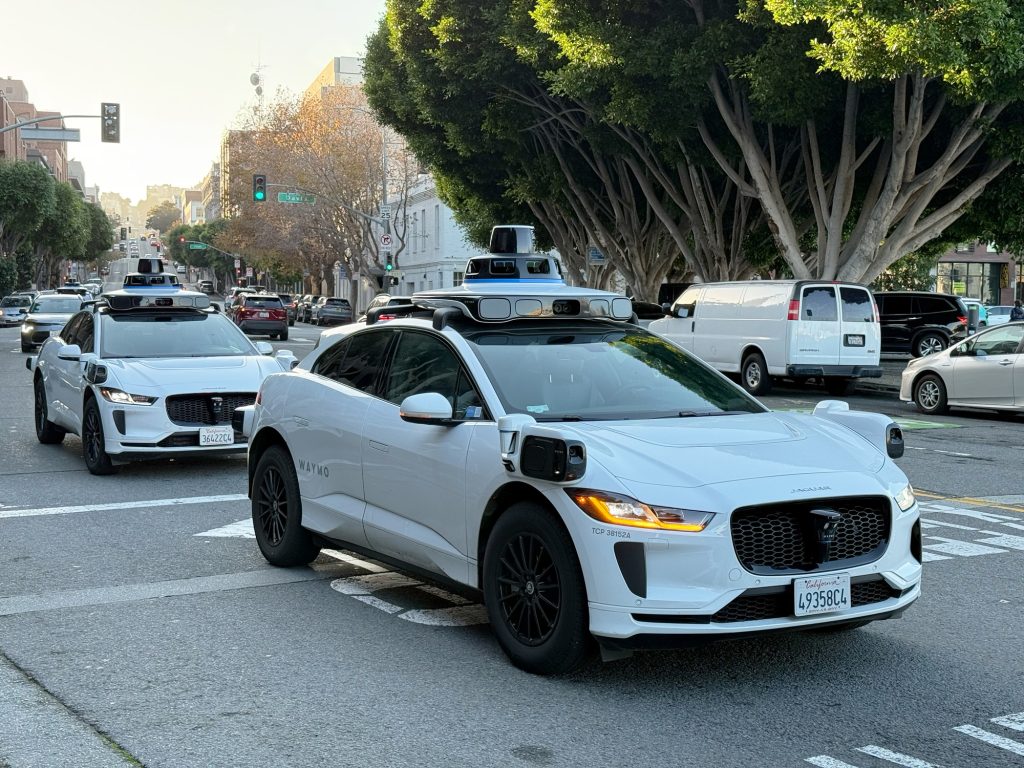
Image of multiple autonomous vehicles driving on a city street with other cars.

Autonomous vehicle (AV) technology is increasingly making headlines, fueling debates about its benefits and drawbacks. As it stands, there is a lack of consensus around the technology’s potential, as many factors that will influence the long-term impact of AVs remain unknown. This can place local governments in a difficult position, as AV deployment may have wide-ranging implications for how people and goods move through communities. Planning for AVs will require recognizing that many factors remain uncertain and understanding what levers local governments have at their disposal.
Continue reading »

Closing the Gap: Funding Shared Mobility for a Better-Connected Minnesota

November 5, 2026 in Transportation & Fuels Author: Aaron Westling

The State of Minnesota has set clear goals for the transportation system it wants to create, with statewide planning documents shaping a vision for affordability, sustainability, and accessibility.

The Statewide Multimodal Transportation Plan calls for reducing the number of vehicle miles traveled across Minnesota per capita by 14 percent before 2040 and decreasing annual greenhouse gas (GHG) emissions from the transportation sector in the same timeframe. Similarly, the Minnesota Climate Action Framework aims to create a system where “Minnesotans are less dependent on driving to access services and opportunities” and “transportation and housing costs account for less than 45% of household income for all Minnesotans.” Continue reading »

Fact Sheet Compares Emissions of Electric and Conventional Vehicles in Minnesota

October 13, 2026 in Transportation & Fuels Authors: Emmy Curtiss, Gabrielle Olson, M. Moaz Uddin

As electric vehicle (EV) adoption continues to grow, many consumers have questions about how EVs compare with gasoline vehicles in terms of environmental impact. There is a common misconception that EVs emit more over their lifetime due to the emission-intensive battery production process. While it is true that EVs generally produce higher emissions during manufacturing, they offset those emissions through cleaner operation in as little as 10 months, even when powered with the current electric grid mix, which is partially powered by fossil fuels. Continue reading »

Statement from the Great Plains Institute Regarding the Closure of HOURCAR

October 9, 2026 in News & Press, Transportation & Fuels Author: Drew Henry

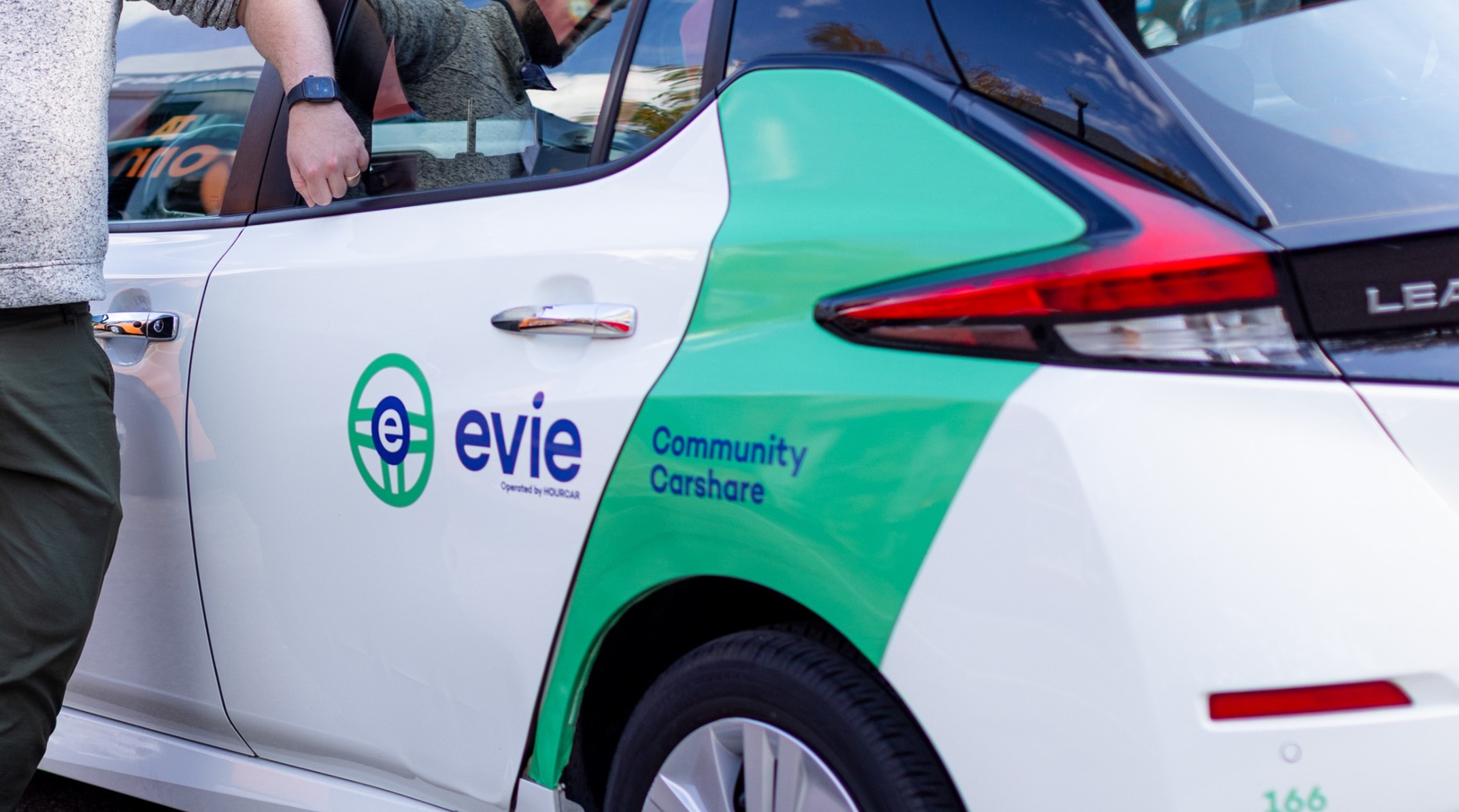
carshare electric vehicle branded with HOURCAR/Evie logo

GPI released the following statement by Brendan Jordan, vice president of transportation and fuels, regarding the shutdown of HOURCAR announced on October 8, 2026:

“GPI extends its sincere appreciation to the team at HOURCAR, its leadership, and its community partners for years of dedicated service to the Twin Cities region. The decision to sunset operations marks a difficult and sad moment for our community. Continue reading »

GPI Staff Share Their Electric Vehicle Experiences

July 31, 2026 in Transportation & Fuels Author: Emmy Curtiss

Electric vehicles (EVs) are becoming an increasingly common sight on our roads. Yet, for many drivers, the idea of switching to an EV still comes with its fair share of questions and anxieties.

With EVs resulting in fewer emissions over their lifecycle and no tailpipe emissions, they are an important tool for meeting climate goals and improving air quality. Paired with the cost savings over time, many people are interested in EVs. GPI staff get to work in many ways: taking public transit, biking, and driving (and carpooling). Many staff members who drive have switched to EVs over the years. Continue reading »

GPI’s Electric Vehicle Charging Station Economics Calculator

March 24, 2026 in Energy Systems, Reports & Whitepapers, Transportation & Fuels Author: Dane McFarlane

A person using a calculator

This article was originally published on August 15, 2019. The calculator has been updated twice, first in 2023 to include a mechanism that allows users to input EV charging station customer pricing by the kilowatt-hour instead of only by the minute, and again in 2025 to help users estimate the impacts of state policies—such as kilowatt-hour taxes and inspection fees—on charger economics. Please contact the Transportation & Fuels team with any questions about the calculator.

As part of GPI’s research on the economics of DC fast charging, we created a model to calculate the costs and revenue of operating an electric vehicle (EV) charging station. Through our work with the EV industry, we’ve often heard charging operators, community leaders, and EV owners express a desire to explore how station operation impacts costs for both EV charger owners and users. 

Continue reading »

It’s Electric! E-Bike Usage Takes Off in the United States: Part Three

January 14, 2026 in Transportation & Fuels Author: Aaron Westling

In part one of this blog series, we explored the rapid rise in electric bike (e-bike) usage and the public investments fueling this trend. E-bikes can play a crucial role in building a more reliable, affordable, and sustainable transportation system that reduces dependence on personal vehicles, a key part of GPI’s work to decarbonize the transportation sector. State rebate programs and local incentives have made e-bikes more accessible than ever. Continue reading »

It’s Electric! E-Bike Usage Takes Off in the United States: Part Two

October 22, 2025 in Transportation & Fuels Author: M. Moaz Uddin

In part one of this blog series, we explored the rapid rise in electric bike (e-bike) usage and the public investments fueling this trend. E-bikes can play a key role in building a more reliable, affordable, and sustainable transportation system that reduces dependence on personal vehicles, an important part of GPI’s work to decarbonize transportation. State rebate programs and local incentives have made e-bikes more accessible than ever. Continue reading »