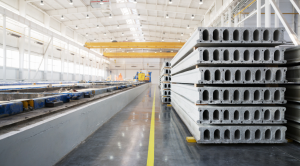
America’s industrial sector powers the economy, supports good-paying jobs, and fuels innovation nationwide. However, it faces growing pressure to modernize, reduce pollution, and stay competitive in a changing world. Continue reading »

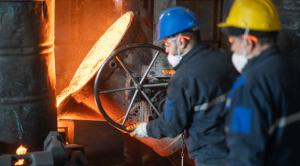
America’s industrial sector powers the economy, supports good-paying jobs, and fuels innovation nationwide. However, it faces growing pressure to modernize, reduce pollution, and stay competitive in a changing world. Continue reading »

In March, Minnesota House Transportation Committee Co-Chair Erin Koegel introduced the Minnesota clean transportation standard (CTS), House File 2847. On behalf of the Future Fuels Coalition, the Great Plains Institute commissioned analyses to better understand the potential benefits of the proposed program. Continue reading »

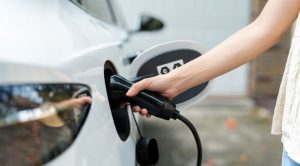
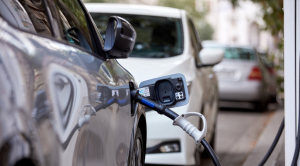
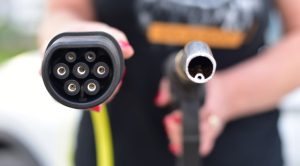
Electric vehicles (EVs) have gained significant popularity over the last decade and are part of the collective solution toward a cleaner energy future. Yet, some drivers still have questions about their cost, emissions, and safety, among other things. Continue reading »

I chose to work at a nonprofit organization because it offered an entrepreneurial opportunity to address a pressing issue that I (and many around the world) care deeply about, which neither governments nor the private sector can fully address on their own: access for all to reliable, affordable, increasingly clean energy. Continue reading »

We’re excited to share that Charging Smart has been helping communities accelerate transportation electrification for over a year! The technical assistance and designation program, which GPI originally piloted in the Midwest, has now expanded nationwide. Dozens of cities and towns across the country are pursuing designation, with new communities joining every day. Continue reading »

Direct pay, also known as elective pay, is an unsung hero for local governments and community organizations to accelerate economic investment and job creation and achieve climate and energy goals for their residents and stakeholders. Its concept is simple, and its results are clear, but now is the time to tune in if you haven’t heard about it. Continue reading »

This week, the Industrial Innovation Initiative (I3), co-convened by GPI and the World Resources Institute, sent a letter to Congress signed by multiple coalitions and trade organizations representing hundreds of companies powering a renaissance in American manufacturing. The letter urges support for two key federal programs incentivizing development, adoption, and private sector investment in technologies that spur American innovation, global competitiveness, and emissions reductions. Continue reading »

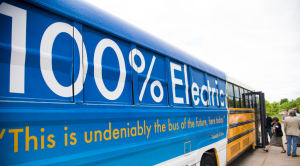
The US school bus system, with almost half a million buses, is the country’s most extensive mass transit system, carrying over 21 million children to school daily. This post explores the opportunities that electrifying this vast fleet presents for states and electric utility companies to achieve positive health, environmental, and economic development outcomes. Continue reading »

Advocates, government staff, and bicycle enthusiasts from across the state gathered to discuss the growing world of e-bikes, the benefits of electrified mobility, and the remaining challenges to wider adoption. Continue reading »

State policy and regulatory decisions can significantly impact local governments’ ability to advance climate resilience and mitigation. Often, local governments have climate or clean energy goals that far exceed their local authority to make them a reality. Therefore, supportive state policy, programs, funding, and regulatory decisions are essential. Continue reading »