

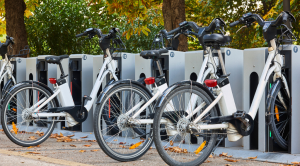
Advocates, government staff, and bicycle enthusiasts from across the state gathered to discuss the growing world of e-bikes, the benefits of electrified mobility, and the remaining challenges to wider adoption. Continue reading »
Advocates, government staff, and bicycle enthusiasts from across the state gathered to discuss the growing world of e-bikes, the benefits of electrified mobility, and the remaining challenges to wider adoption. Continue reading »

State policy and regulatory decisions can significantly impact local governments’ ability to advance climate resilience and mitigation. Often, local governments have climate or clean energy goals that far exceed their local authority to make them a reality. Therefore, supportive state policy, programs, funding, and regulatory decisions are essential. Continue reading »
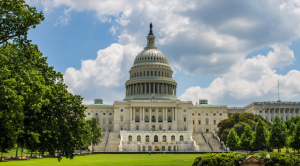
The United States is at a pivotal moment in the deployment of carbon management technologies. The nationwide adoption of carbon management technologies is crucial for balancing the increasing need for affordable, reliable energy that drives the American economy with the global imperative to reduce carbon emissions. Continue reading »
The Great Plains Institute (GPI) and Hispanics in Energy (HIE) have joined forces in a strategic partnership to expand opportunities for Hispanic Americans in the energy sector. This collaboration combines HIE’s expertise in advocacy for Hispanic inclusion with GPI’s research ability to highlight Hispanic Americans’ contributions to energy and identify ways to unlock their full potential to support progress toward a carbon-free economy. Continue reading »
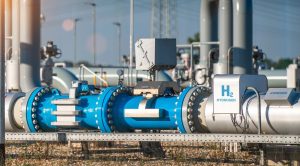
The Hydrogen Economy Collaborative (HEC) is a network of state agencies, researchers, environmental nonprofit organizations, and industry professionals working to advance the role of low-carbon hydrogen in the clean energy transition. GPI facilitates the HEC as a platform to foster collaboration and knowledge-sharing on policy, technology, and market developments to advance low-carbon hydrogen adoption. Continue reading »

As of January 23, 2025, the unofficial pre-publication rules are no longer available to view online and have not been published in the Federal Register. As the rules were not finalized prior to the administration change, it is yet to be determined whether they will be published as-is or revised.
The US Department of Transportation’s Pipeline and Hazardous Materials Safety Administration (PHMSA) has issued a notice of proposed rulemaking to enhance safety standards for carbon dioxide (CO2) pipelines. Given the important and complementary role that carbon management technologies will play in meeting net-zero emissions targets and the expected expansion of CO2 pipeline infrastructure, this notice is a welcome development for safe and responsible deployment. Continue reading »

“In the 50-year history of the Minnesota Regional Development Commission’s network, until now, we have never collectively realized the authentic relationships with state agencies and philanthropy partners in the space of climate mitigation,” shares Cheryal Hills, executive director of the Region Five Development Commission in Central Minnesota and member of a GPI-led peer network. Continue reading »

Free Technical Assistance Now Available to Local Governments in All 50 States
Washington, D.C. (Jan. 14, 2025) — Charging Smart, a U.S. Department of Energy (DOE)-funded technical assistance and designation program, is now available in all fifty U.S. states. Charging Smart offers free technical assistance to help local governments accelerate the growth of electric vehicles (EVs) and charging infrastructure. Continue reading »

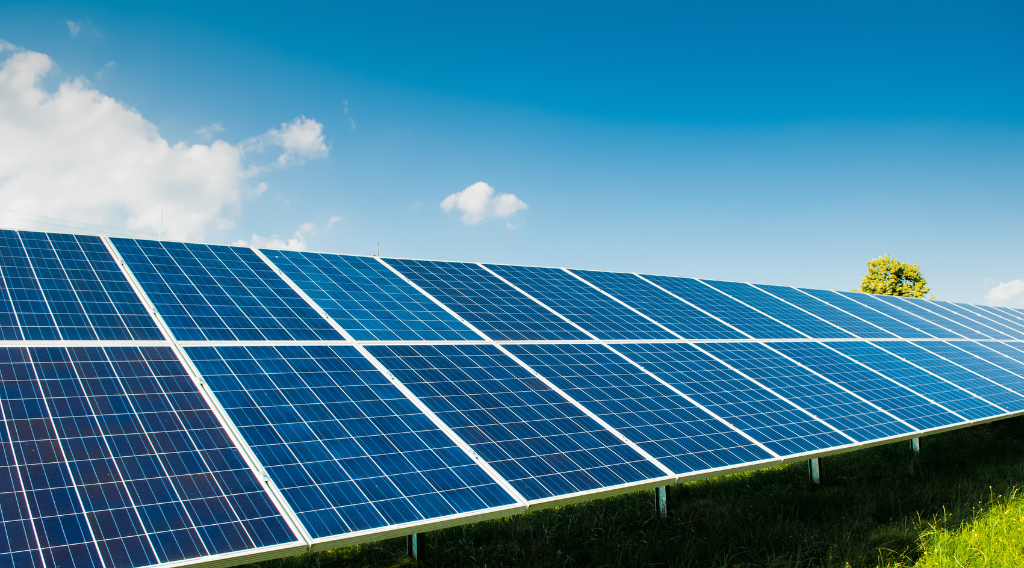
The Big Lake agrivoltaics project in Minnesota, led by US Solar in partnership with The Food Group, NREL, Connexus Energy, and GPI, demonstrates how renewable energy can coexist with sustainable agriculture to benefit communities.
Continue reading »

To achieve clean energy goals across the US, communities of all types and sizes must be part of the collective solution. While federal policies and programs provide critical support, the work of communities is the foundation of continuing sustained progress and realizing the numerous benefits of the clean energy transition at the local level. Continue reading »
