From Silos to Systems: Washington’s New Approach to Integrated Gas and Electric Planning

March 26, 2026 in Energy Systems Author: Hannah Dobie

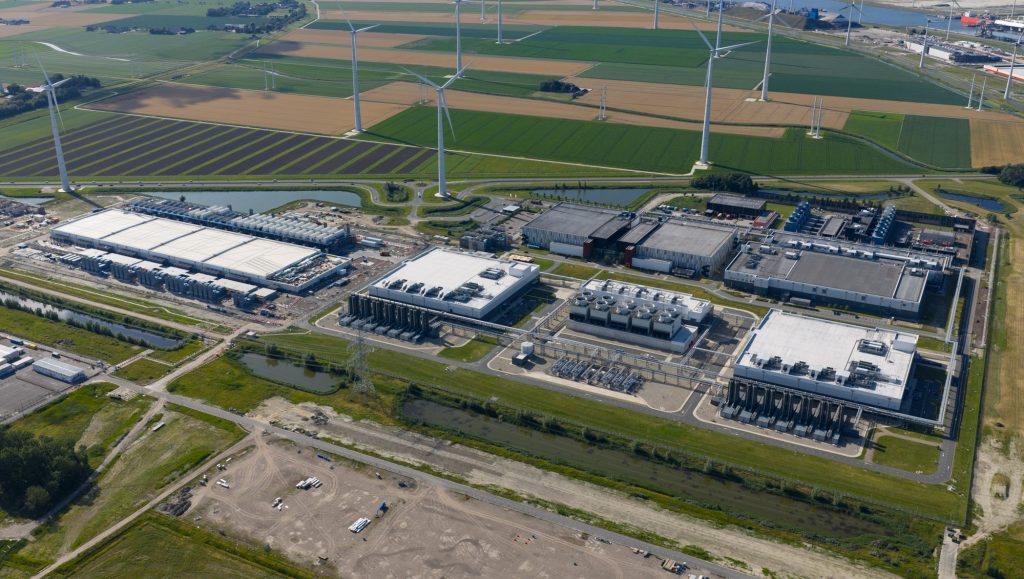
Electric and gas utility systems in the US have historically been regulated separately. However, in response to winter storm events and interests in affordability, reliability, and decarbonization, states are increasingly looking to coordinate these systems. The state of Washington has recently become a national leader in this space. Continue reading »

GPI’s Electric Vehicle Charging Station Economics Calculator

March 24, 2026 in Energy Systems, Reports & Whitepapers, Transportation & Fuels Author: Dane McFarlane

A person using a calculator

This article was originally published on August 15, 2019. The calculator has been updated twice, first in 2023 to include a mechanism that allows users to input EV charging station customer pricing by the kilowatt-hour instead of only by the minute, and again in 2025 to help users estimate the impacts of state policies—such as kilowatt-hour taxes and inspection fees—on charger economics. Please contact the Transportation & Fuels team with any questions about the calculator.

As part of GPI’s research on the economics of DC fast charging, we created a model to calculate the costs and revenue of operating an electric vehicle (EV) charging station. Through our work with the EV industry, we’ve often heard charging operators, community leaders, and EV owners express a desire to explore how station operation impacts costs for both EV charger owners and users. 

Continue reading »

Understanding Industrial Gas Regulation in Minnesota’s Clean Heat Transition

December 16, 2025 in Energy Systems Authors: Hallie Turner, Hannah Dobie

Minnesota has a statutory net-zero emissions target for 2050, which will require emissions reductions in the industrial sector. In 2022, the Minnesota Pollution Control Agency found that gas use in the industrial sector contributed to a greater share of statewide greenhouse gas emissions than gas use in residential, commercial, and electricity generation sectors. Decarbonizing industrial gas end uses is challenging due to high heat needs, specialized equipment, and cost barriers associated with alternative technologies. Continue reading »

GPI and CEG Report Explores Performance-Based Regulation for Virginia’s Electric Utilities

December 4, 2025 in Energy Systems Authors: Aileen Cole, Dan Cross-Call

In the November 2025 elections, energy affordability was a top-priority issue for voters nationwide, who are feeling the pressure of rising energy bills. It was a central theme in the elections in Virginia, New Jersey, and Georgia, and Virginia’s new Governor-elect Abigail Spanberger highlighted lower energy bills among the three priorities in the Affordable Virginia Plan on which she campaigned, alongside healthcare and homeownership. Continue reading »

Central Arkansas Action Plan Models Southern Leadership in Sustainable Development, Healthy Communities, and Environmental Stewardship

September 23, 2025 in Energy Systems Author: Tricia Treece


In the heart of the South, Central Arkansas is stepping up to tackle environmental challenges while promoting economic and social benefits. The recently published Central Arkansas Energy and Environment Innovation Comprehensive Action Plan provides a strategic framework for reducing greenhouse gas (GHG) emissions, improving air and water quality, and enhancing community resilience through five voluntary measures. Continue reading »

Connecticut Charts a Path for Flexible Interconnection

July 29, 2025 in Energy Systems Authors: Aileen Cole, Val Stori

Meeting the climate challenge requires rapid and widespread deployment of clean energy, and distributed energy resources (DERs) are a vital part of that deployment. While DER technologies themselves—such as rooftop solar, community solar, and small storage systems—are increasingly accessible, one of the biggest barriers to broader adoption lies behind the scenes: interconnection. Continue reading »

Navigating Change: How GPI Facilitated Collaborative Solutions for Craig Station’s Retirement

December 9, 2024 in Energy Systems Authors: Amy Ward, Trevor Drake

A successful and equitable energy transition cannot be achieved without supporting the communities that have powered our economy for over a century by hosting essential fossil fuel infrastructure. Across the United States, dozens of coal-fired power plants have been retired in the shift to cleaner, more affordable sources of energy, and dozens more are scheduled to retire by the end of the decade. Continue reading »

Minnesota Adopts Gas Utility Integrated Resource Planning

November 7, 2024 in Energy Systems Authors: Hannah Dobie, Trevor Drake

On October 28, 2024, the Minnesota Public Utilities Commission (MN PUC) approved a new framework that requires the state’s three largest gas utilities to conduct long-term planning with public participation and commission approval. The approved framework adds to Minnesota’s status as a state that is leading the effort in in making gas utility system planning more robust and transparent. Continue reading »